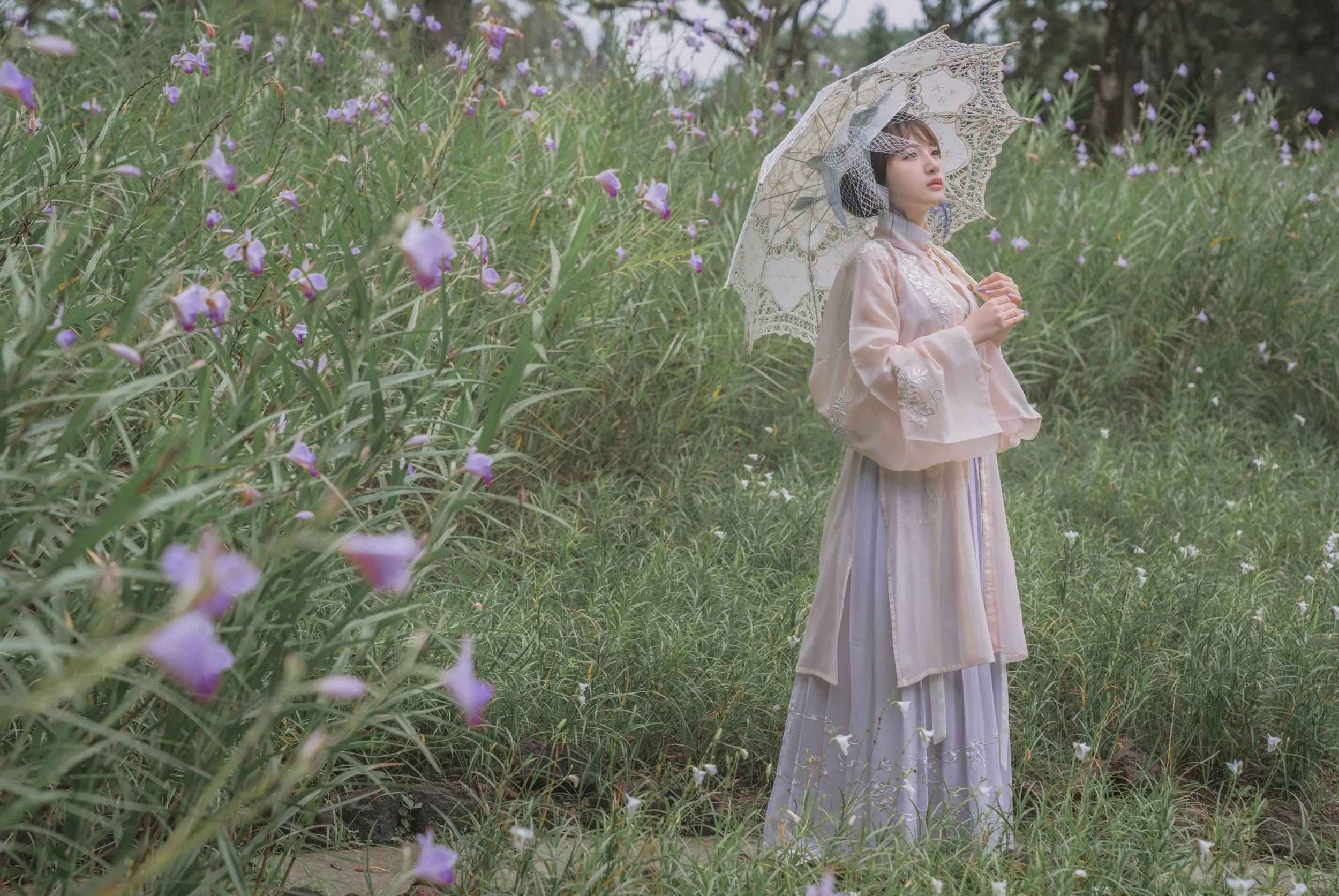
One of the biggest misconceptions about hanfu is that it only suits tall, slim figures or people who look like C-drama actresses. In reality, hanfu was everyday clothing worn across different dynasties by people of all ages, body types, and social backgrounds. It was designed around flow, layering, and proportion—rather than tight fitting silhouettes.
That’s also why hanfu photography works so beautifully in real life: the garments adapt to the body, not the other way around. If you’re planning a hanfu photoshoot in Singapore, or simply trying to choose your first hanfu outfit, this guide will help you understand which styles tend to work well for different body types and proportions.
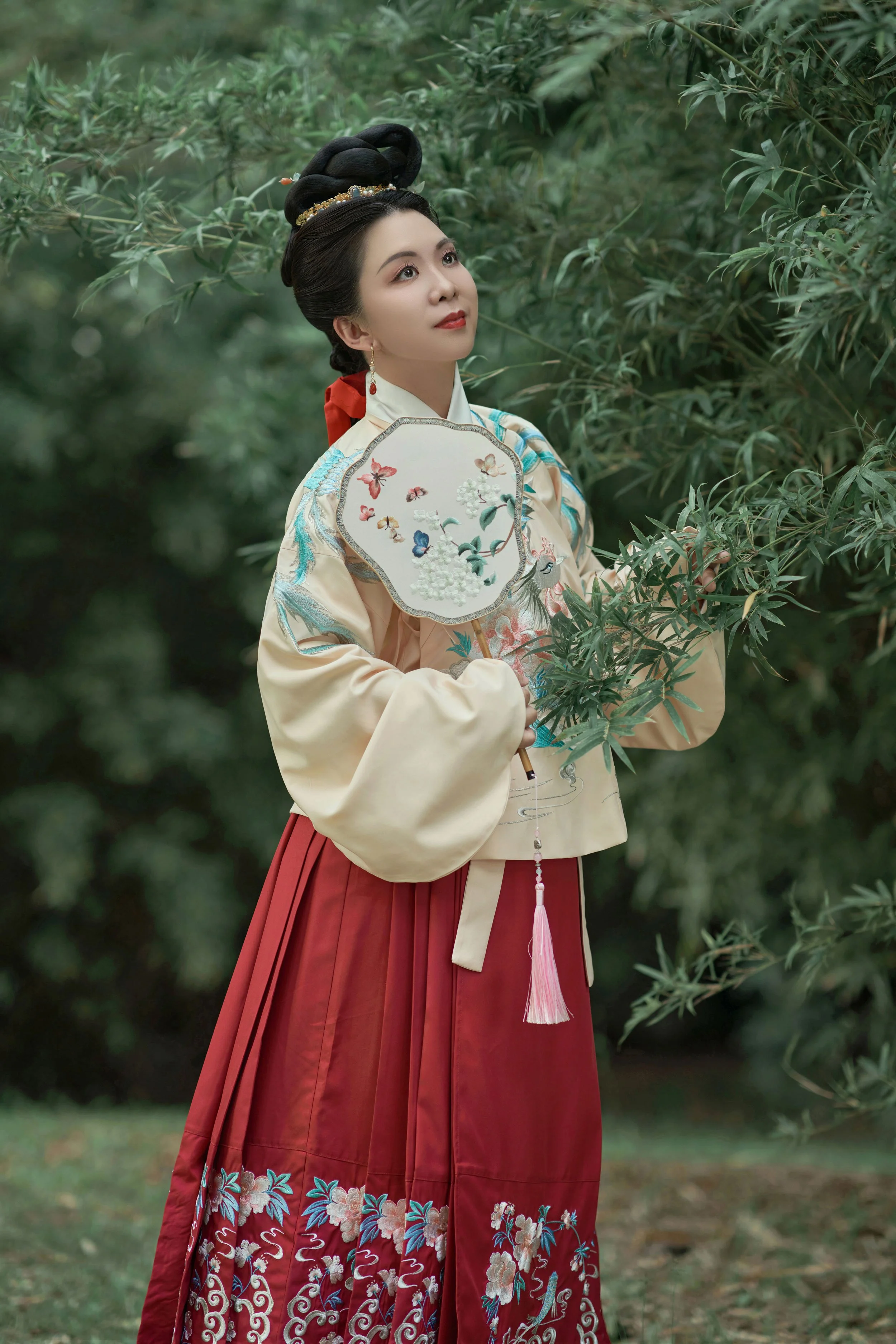
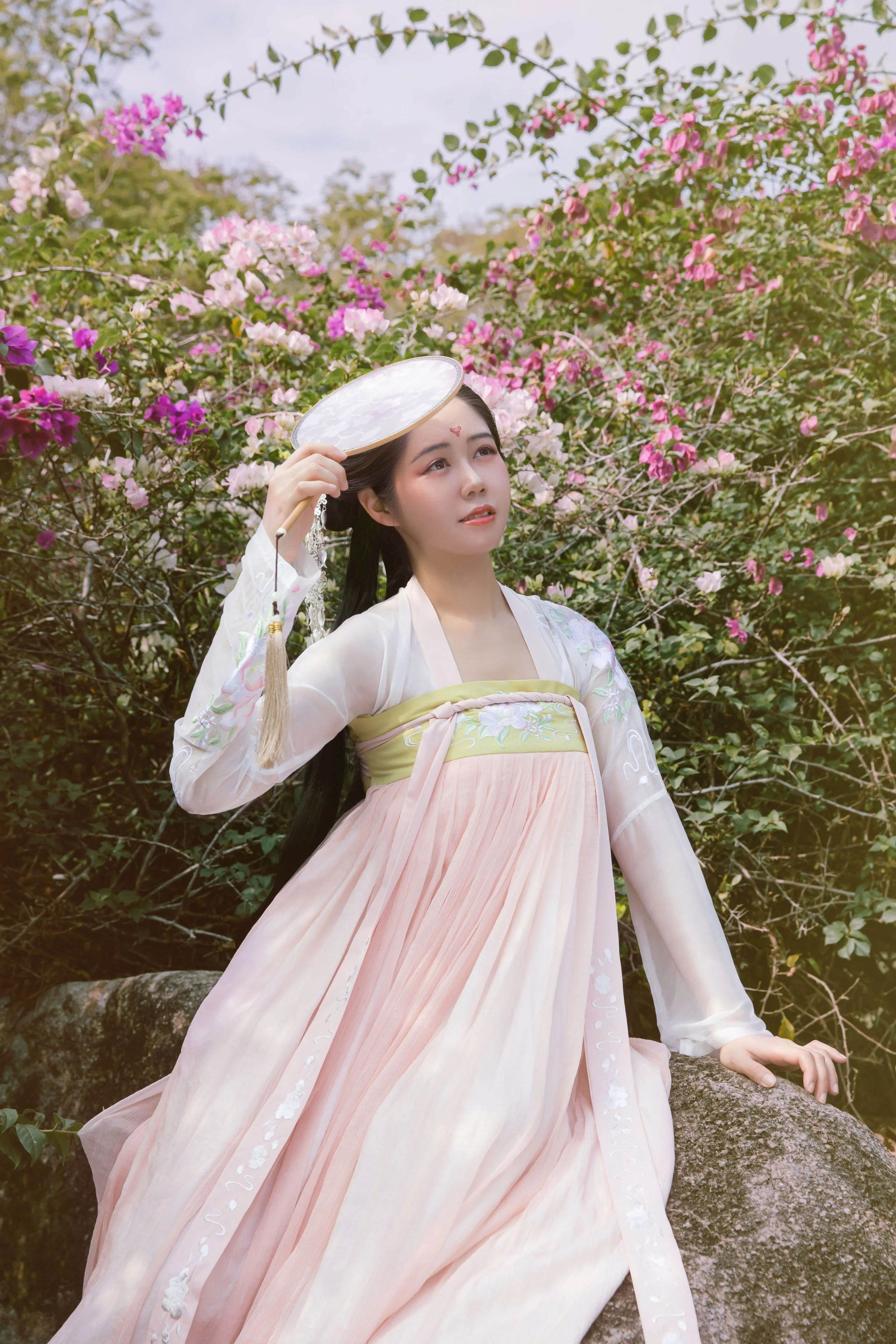
For Petite Figures
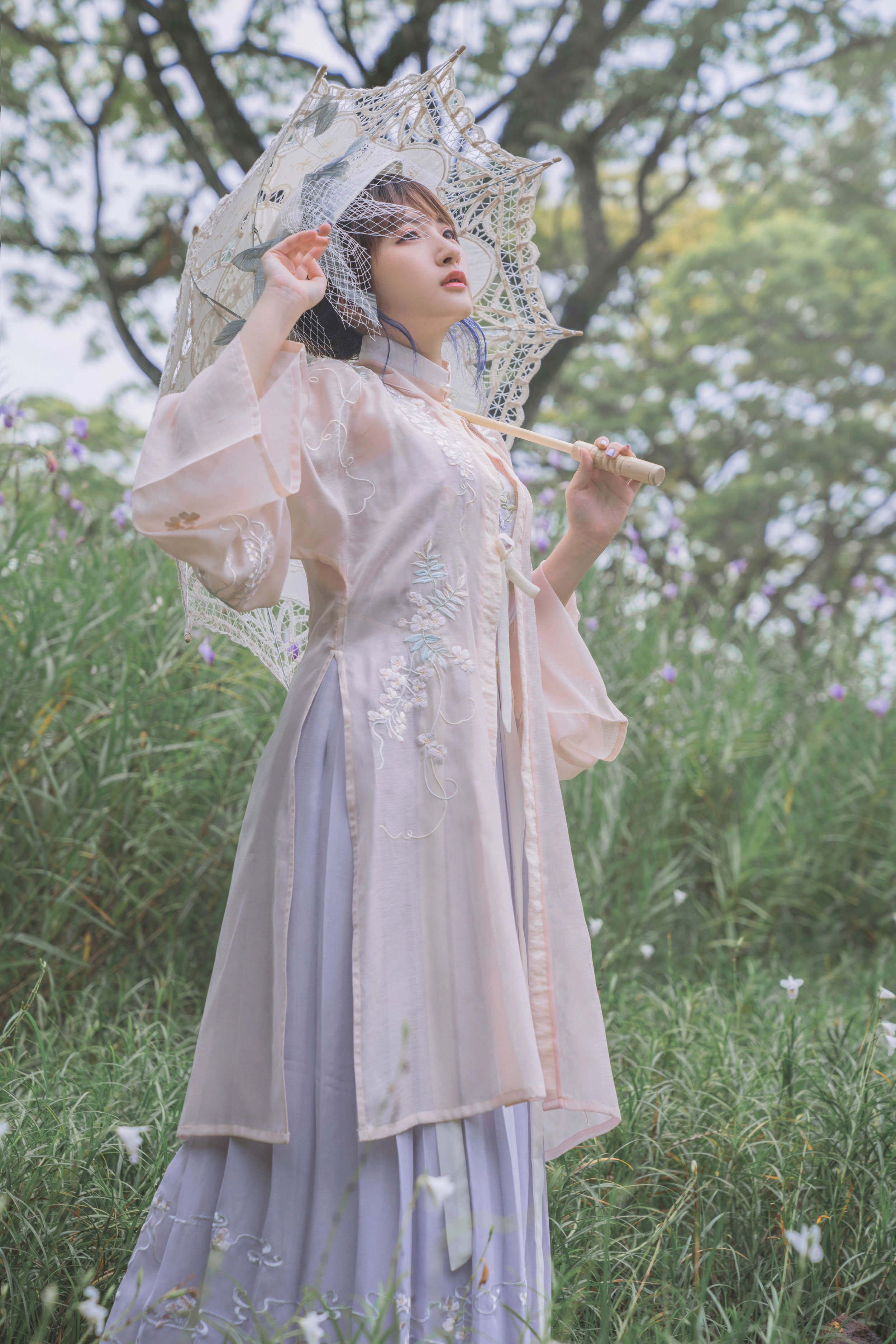
Many petite women worry that hanfu might overwhelm their frame, but the right styling can actually create a beautifully balanced and elongated silhouette.
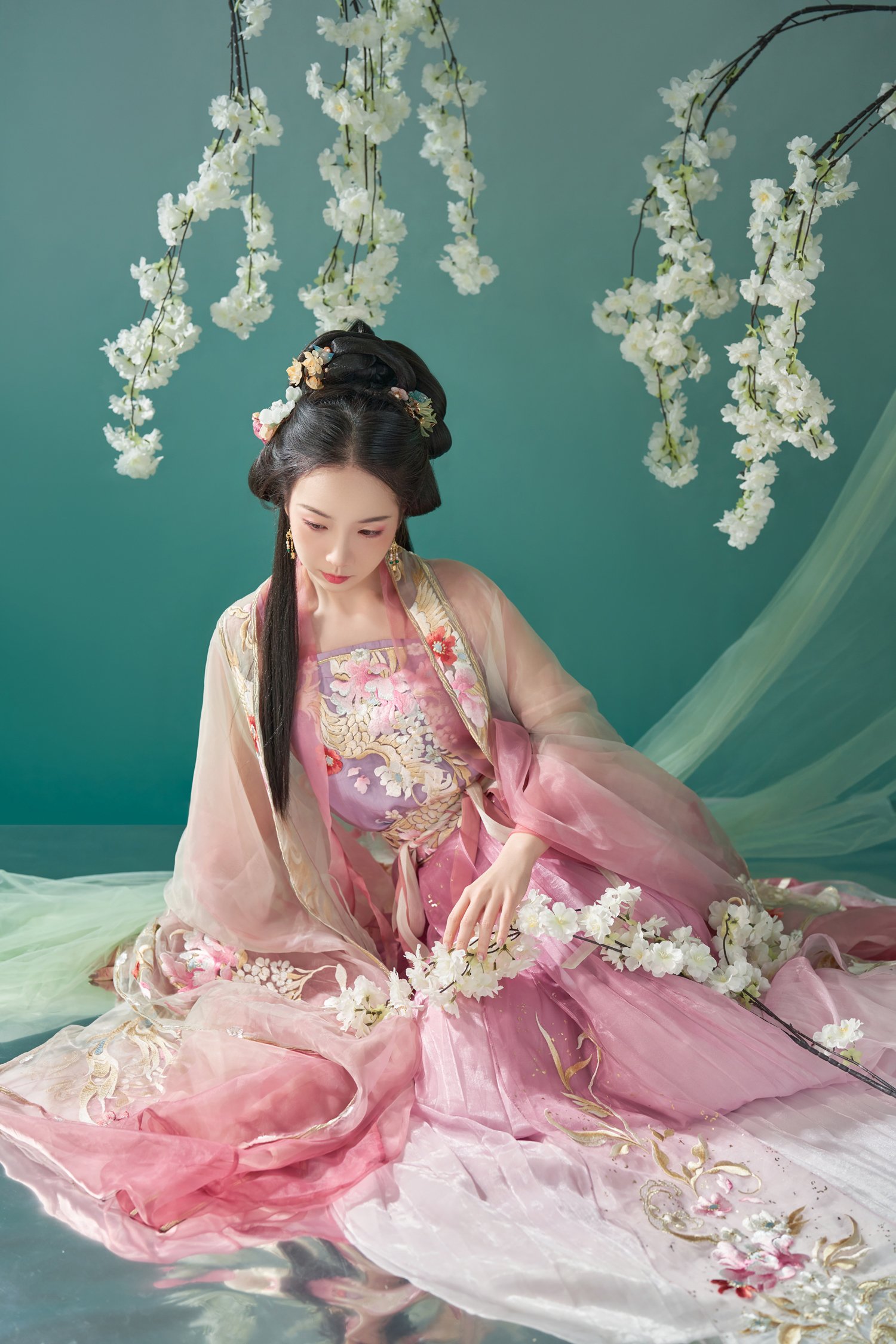
Higher waistlines are often especially flattering as they naturally create the illusion of a taller frame. Sleeves that are slimmer and smaller also help keep the overall look light and proportional, rather than visually heavy. Fabrics make a big difference too. Lighter materials with smaller, delicate embroidery tend to complement petite frames best. Subtle detailing keeps the focus on the person rather than overpowering the silhouette.
Recommended styles:
A well-fitted Tang 齐腰裙 or 齐胸裙 is often a great choice for petite figures. Both can create a soft, flowing effect while still maintaining proportion when styled correctly.
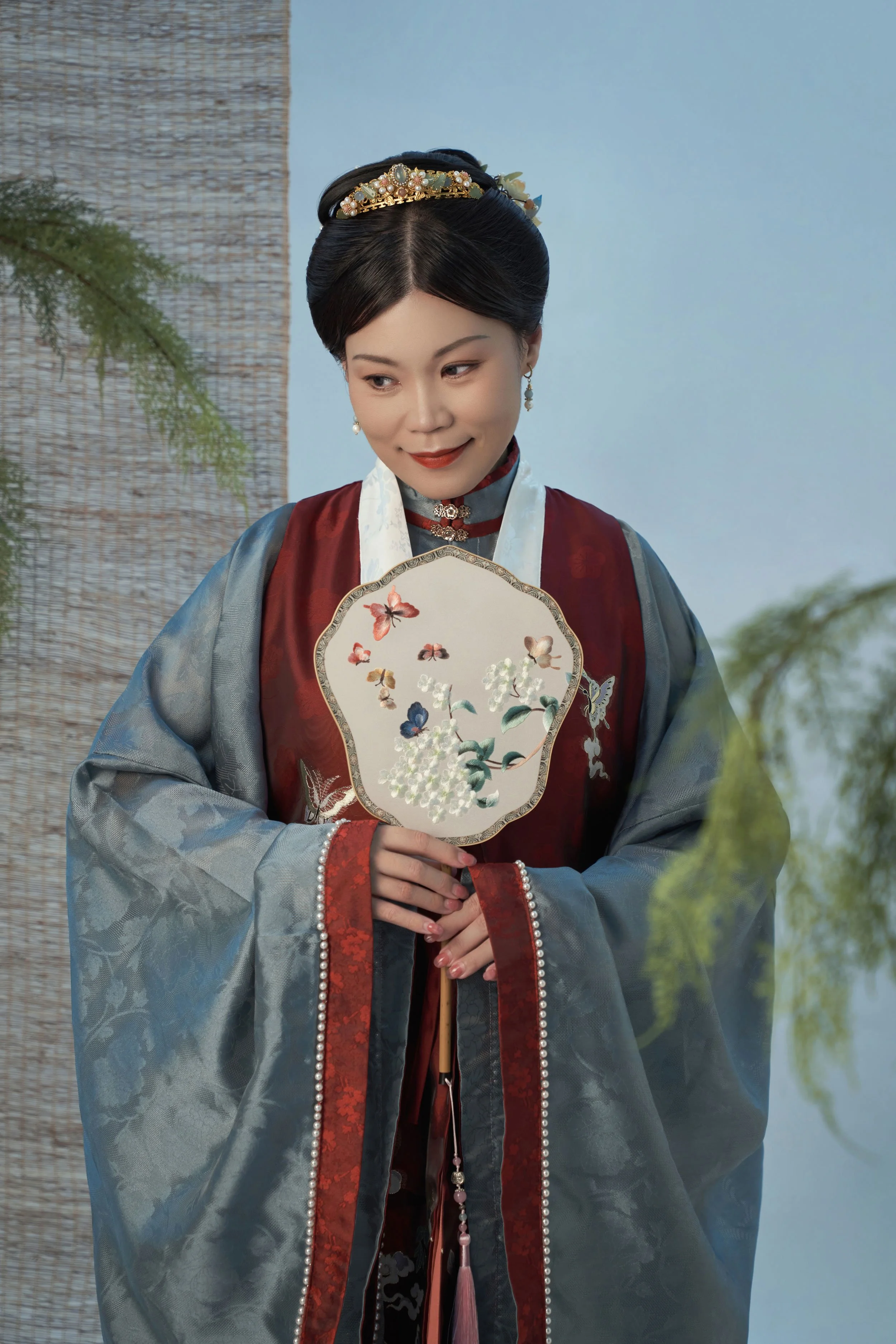
Ming styles with a long vest长比甲, as well as Wei Jin era styles with a cross collar would help to elongate the figure visually as well.
Less recommended:
Styles with thicker waist ties or strong horizontal breaks—such as Warring States robes or Han Dynasty 曲裾—may sometimes visually shorten the frame, especially when made with heavier fabrics or strong contrasting lines.
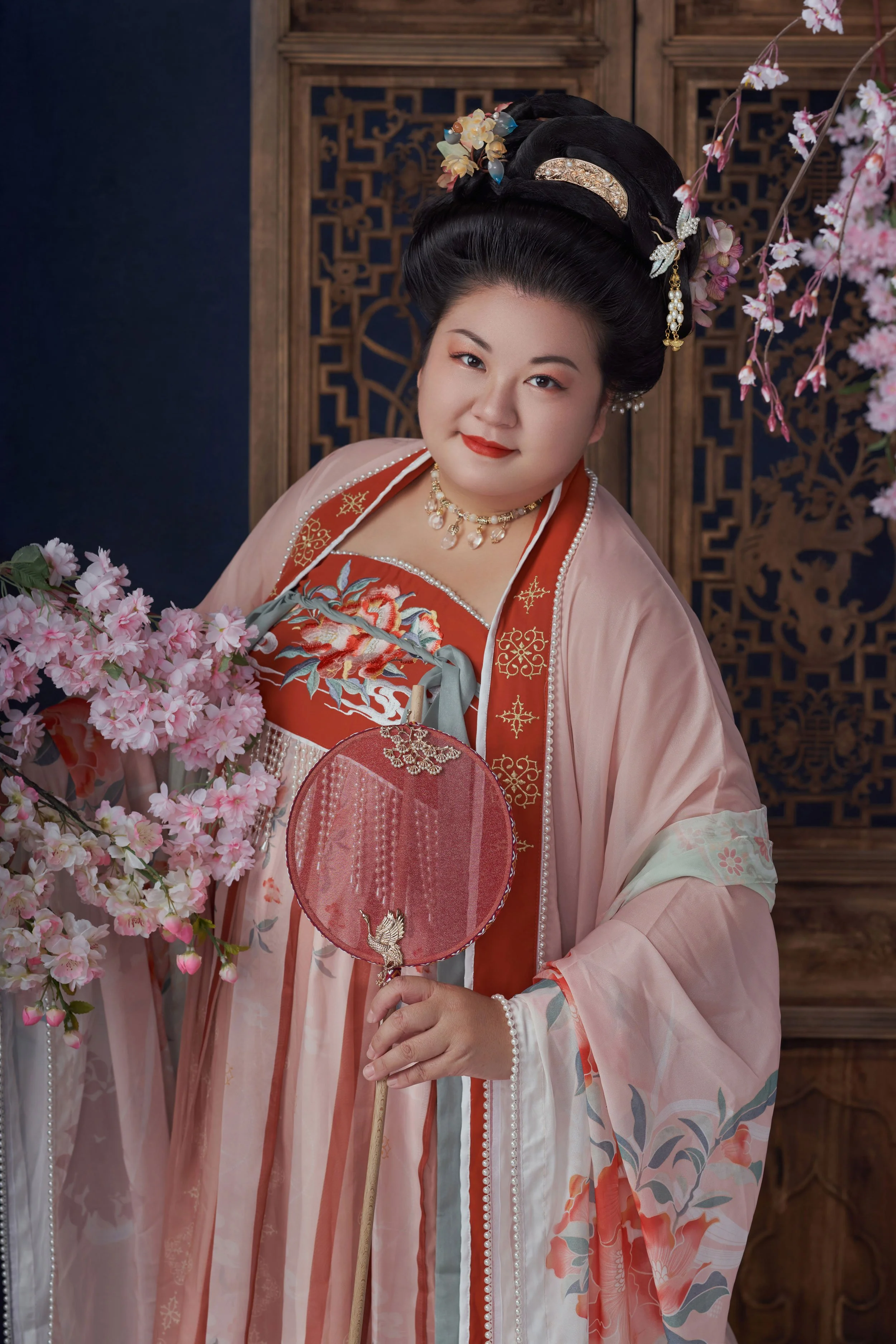
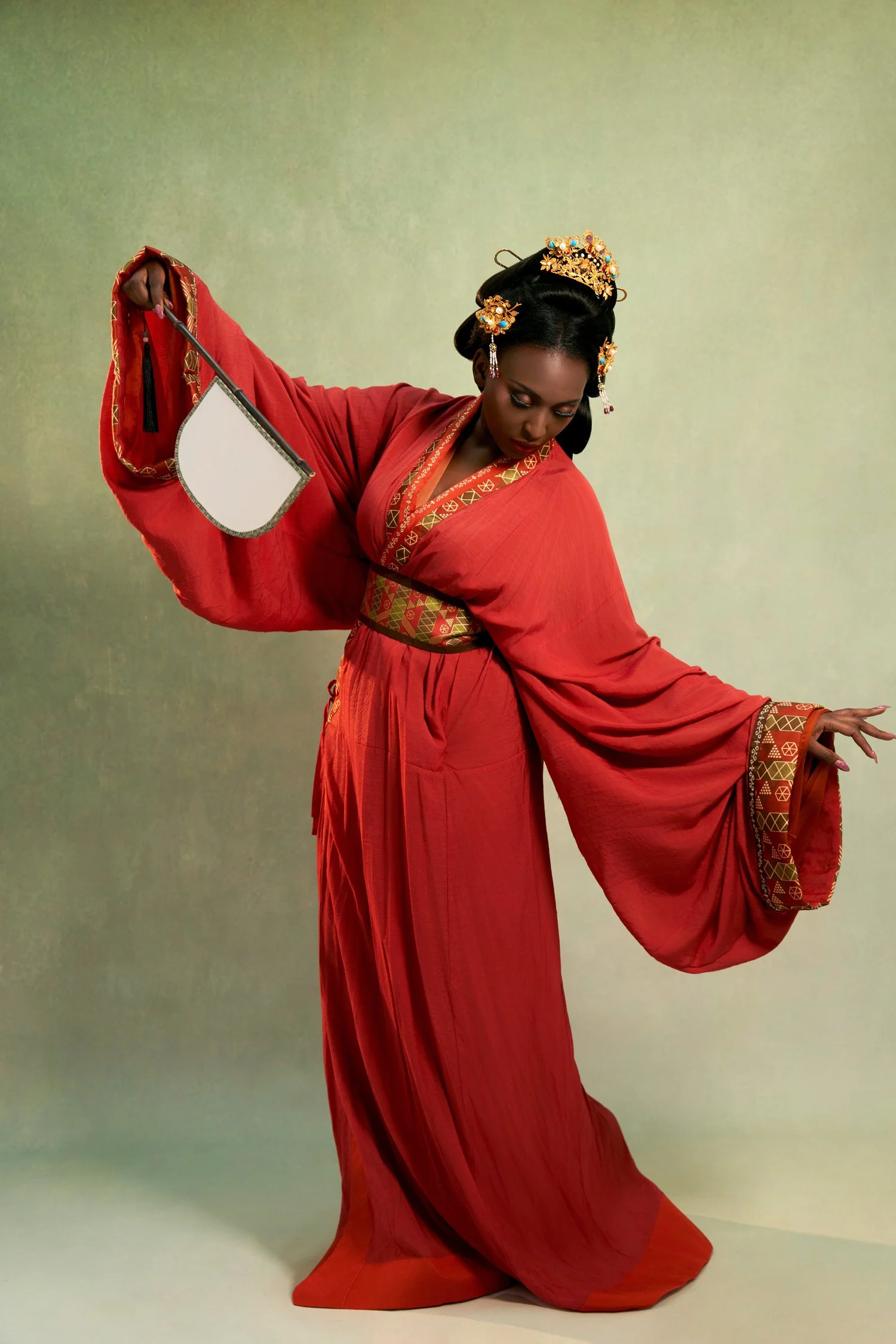
For Curvier & Plus Size Figures
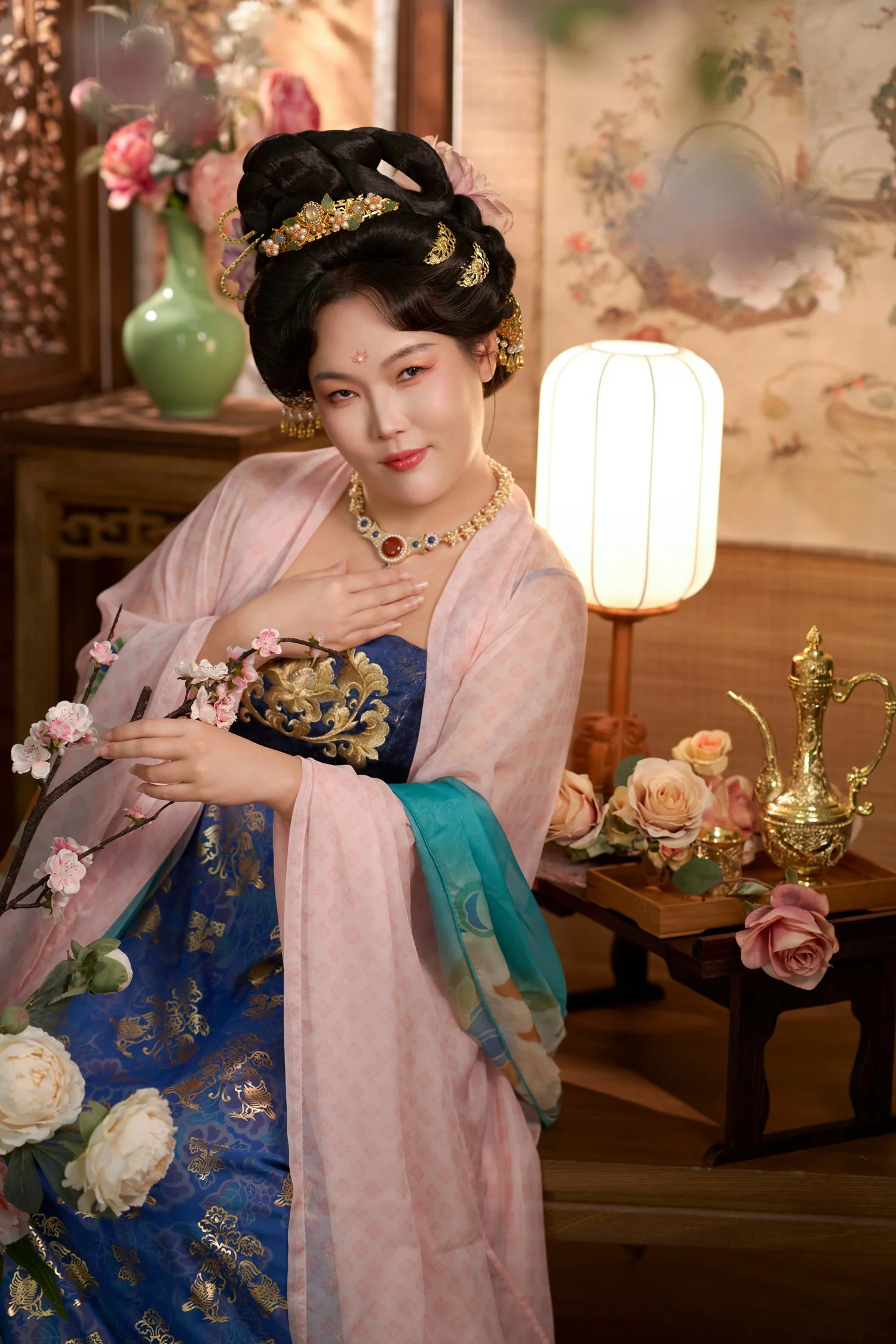
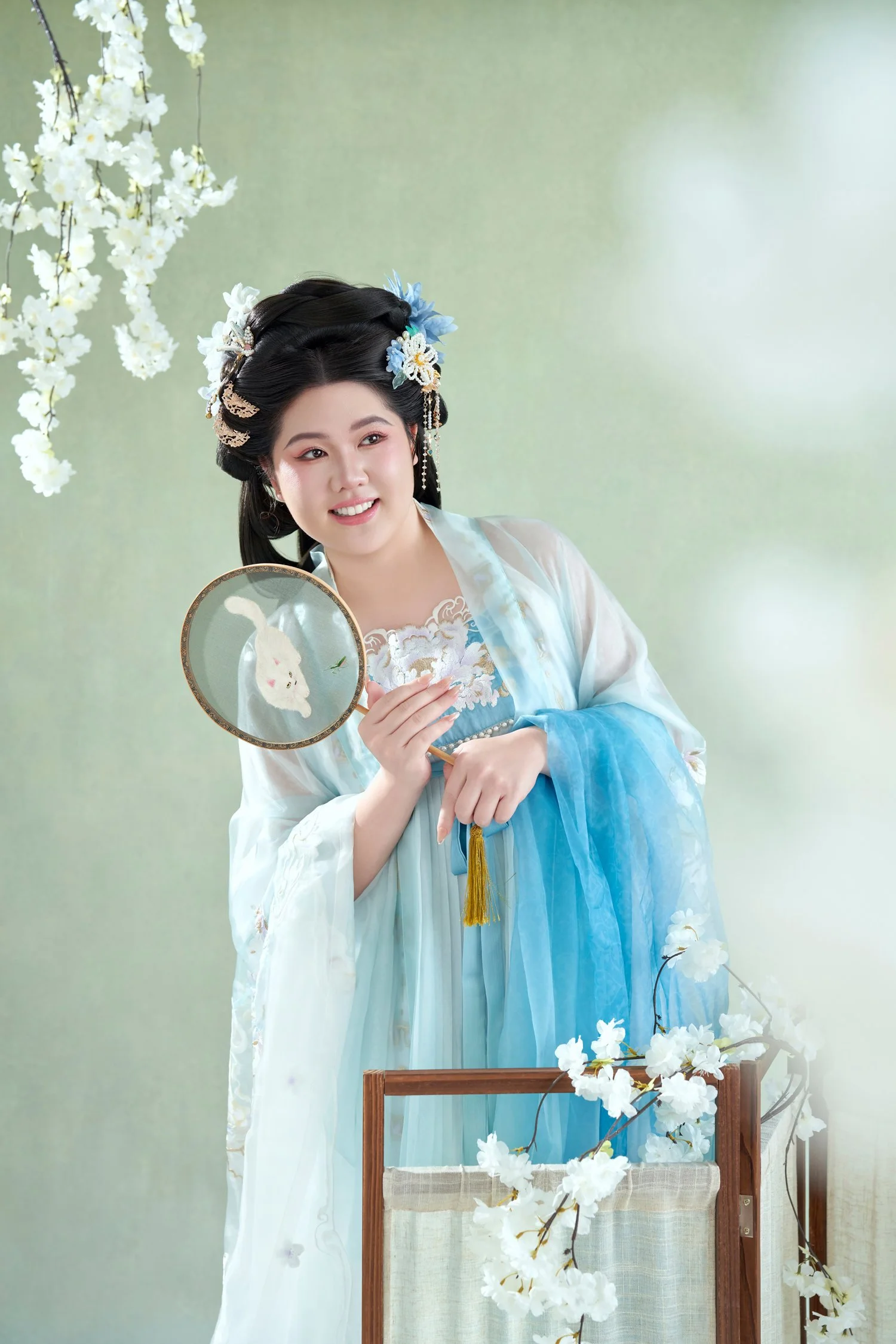
One of the most beautiful things about hanfu is how naturally it complements curvier body types. Many historical styles were designed with softness, layering, and flow in mind, which makes them incredibly wearable and flattering. The Tang Dynasty aesthetic is often a wonderful match, as the beauty standards of the time celebrated softer, fuller silhouettes.
Recommended styles:
The Heziqun (诃子裙) is a particularly flattering choice, as it helps define the waist and creates a naturally elongated silhouette.
Cross-collar styles are also very flattering, as they create clean vertical lines that draw the eye downward. For example, Warring States robes with a train can give a very graceful, elongated effect. However, if the main concern is the midsection area, styles that include waist ties or belts may sometimes feel less comfortable, as they can draw attention to that area depending on fit and styling.
For comfort and ease, the A-line Qing Han Aoqun (袄裙) is a great option. The looser-fitting robes and more structured fabrics help create a smooth, flowing silhouette, offering a balanced and elegant look especially if a more streamlined shape is preferred.
Less recommended:
Some Ming Dynasty styles, especially those with higher collars, thicker fabrics and structured pleated skirts, may add visual volume in photographs.
Similarly, Song Dynasty styles with a “column-like” silhouette can make the figure look broader and sit poorly on curves.
However, these are not strict “do not wear” rules. Fit, fabric, colour, and styling often make a far bigger difference than the dynasty itself. Every hanfu look can be adapted—it’s all about choosing the right combination for your comfort and aesthetic.
For Tall Figures
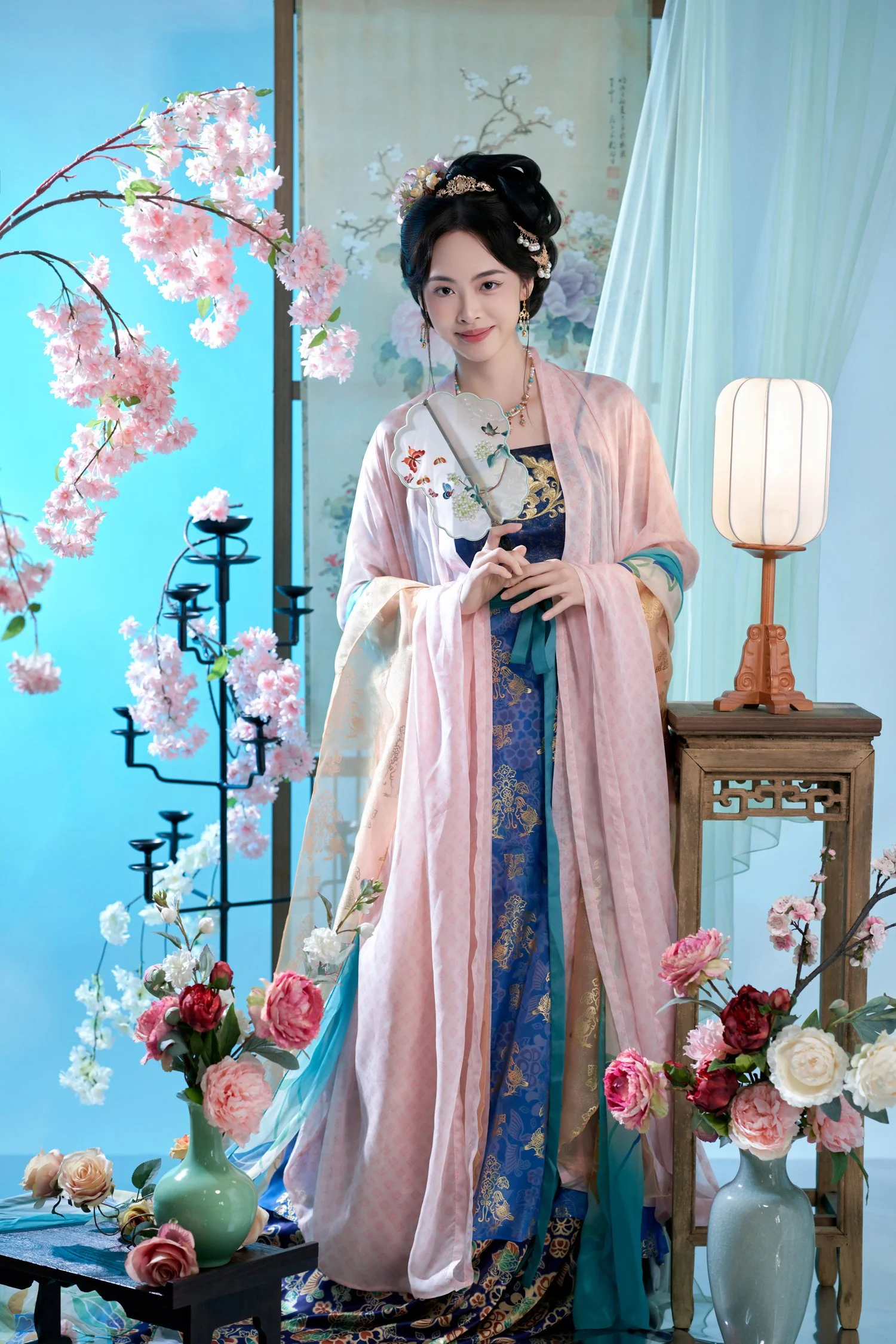
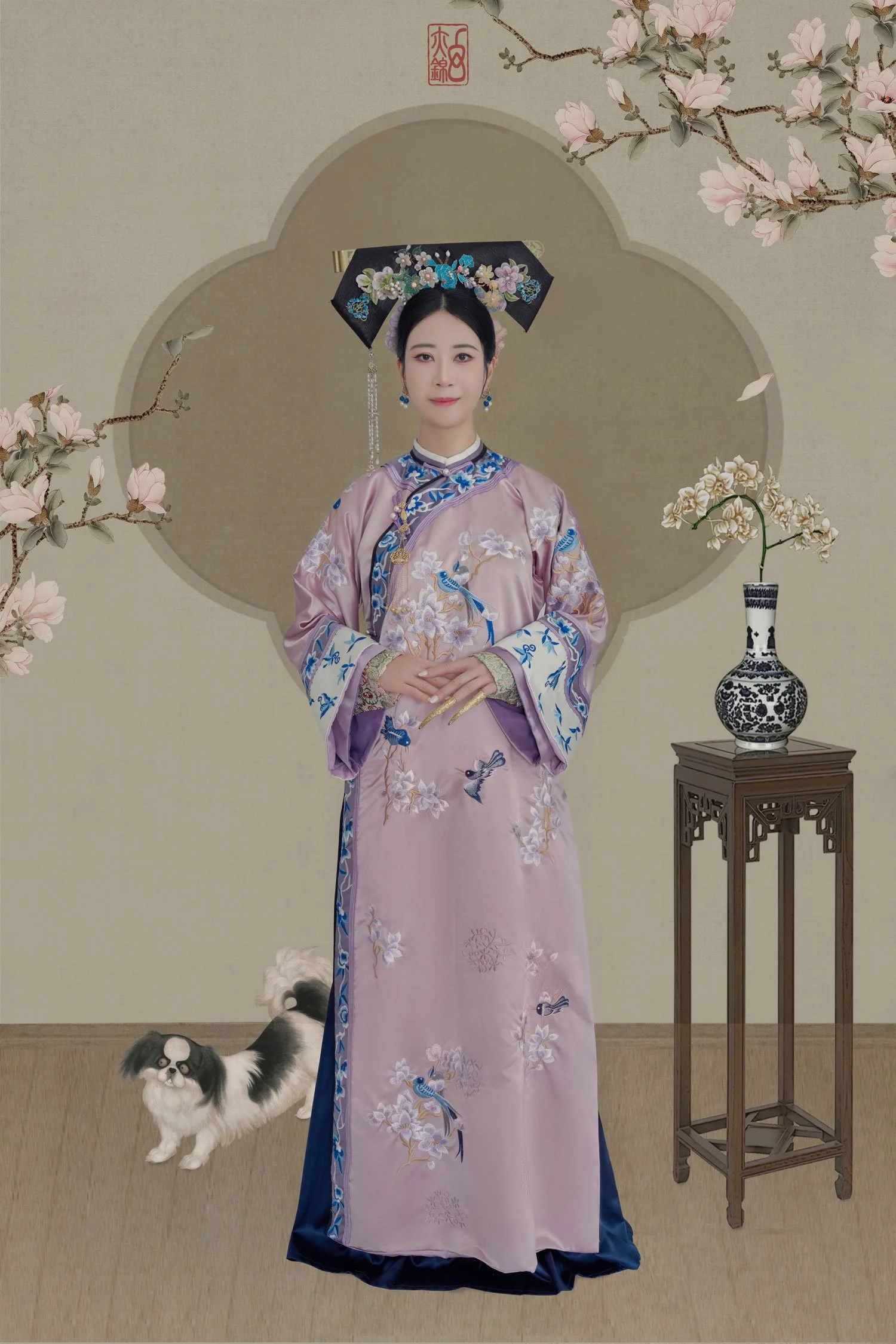
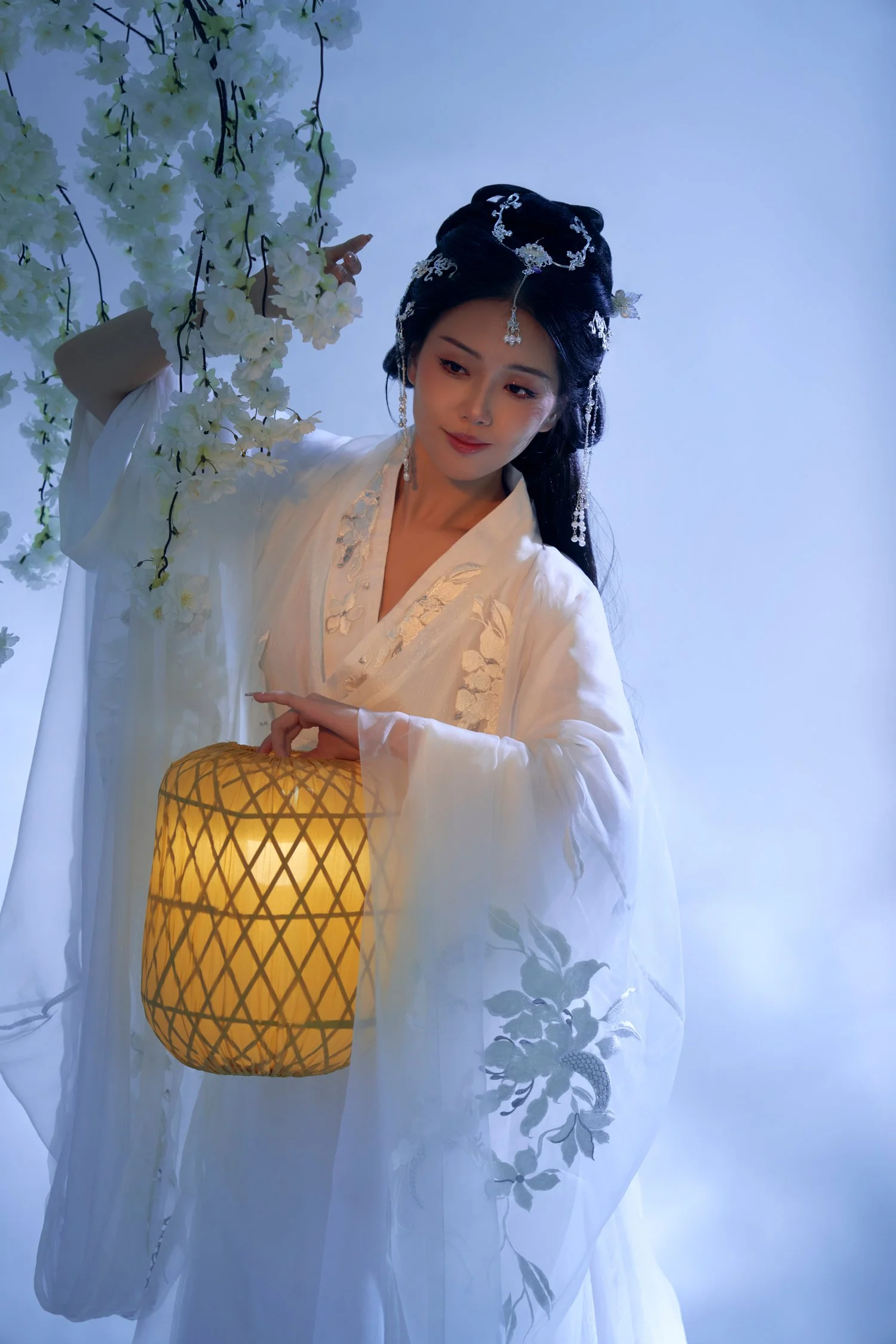
Tall women often find that hanfu feels incredibly natural to wear. The longer proportions and flowing layers allow height to be expressed beautifully rather than needing to be “balanced out” completely.
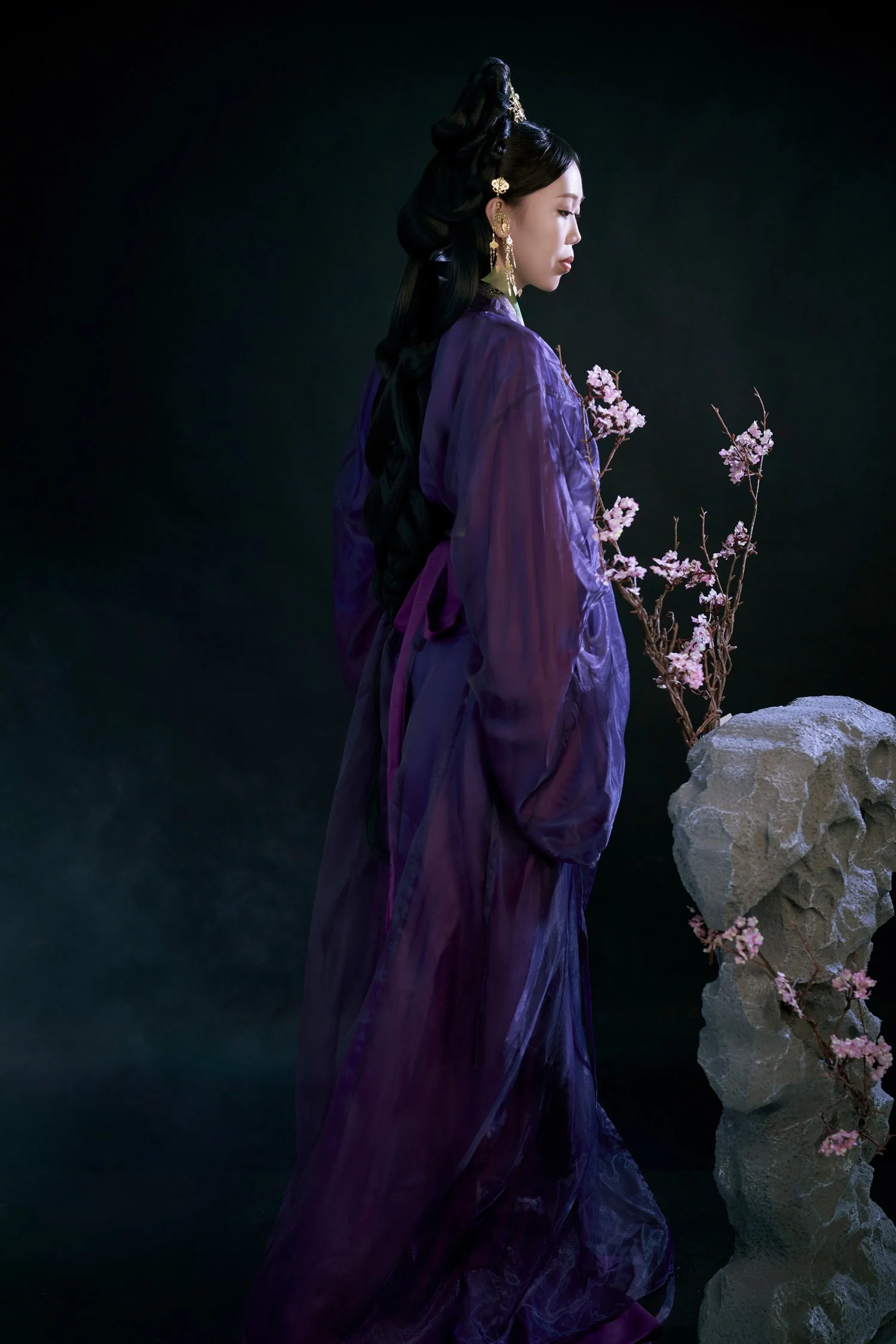
Wide-sleeved robes work best, creating elegance and presence without overwhelming the frame. Flowing outer coats, shawls, and layered outfits are also ideal, as they enhance vertical movement and create striking visual flow in photography. Long skirts with fuller volume tend to sit particularly well on taller figures, as there is enough length for the fabric to move freely and gracefully.
Recommended styles:
Layered Tang, Ming, or Warring States hanfu are often especially suitable, as the voluminous sleeves and structured layering can add help balance out the silhouette.
Manchurian Qing robes (not technically hanfu) are also a strong option, with their elongated, structured lines aligning beautifully with taller silhouettes.
Less recommended:
Some Song Dynasty outfits have a more column-like silhouette, which can emphasise height and slimness without adding much visual balance. For some tall figures, this may result in a very elongated look that feels less proportionally grounded, especially in photography.
For Mature Women
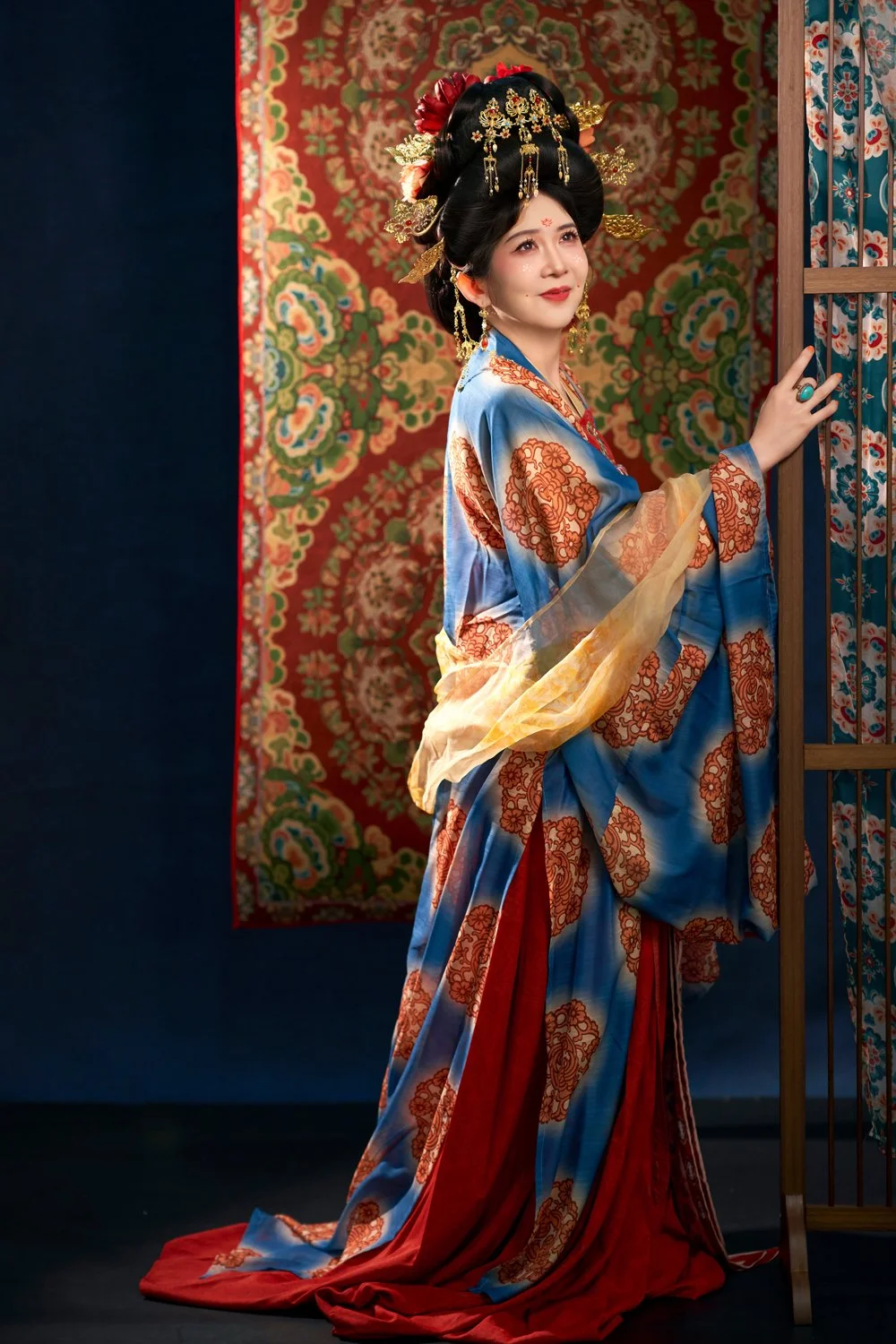
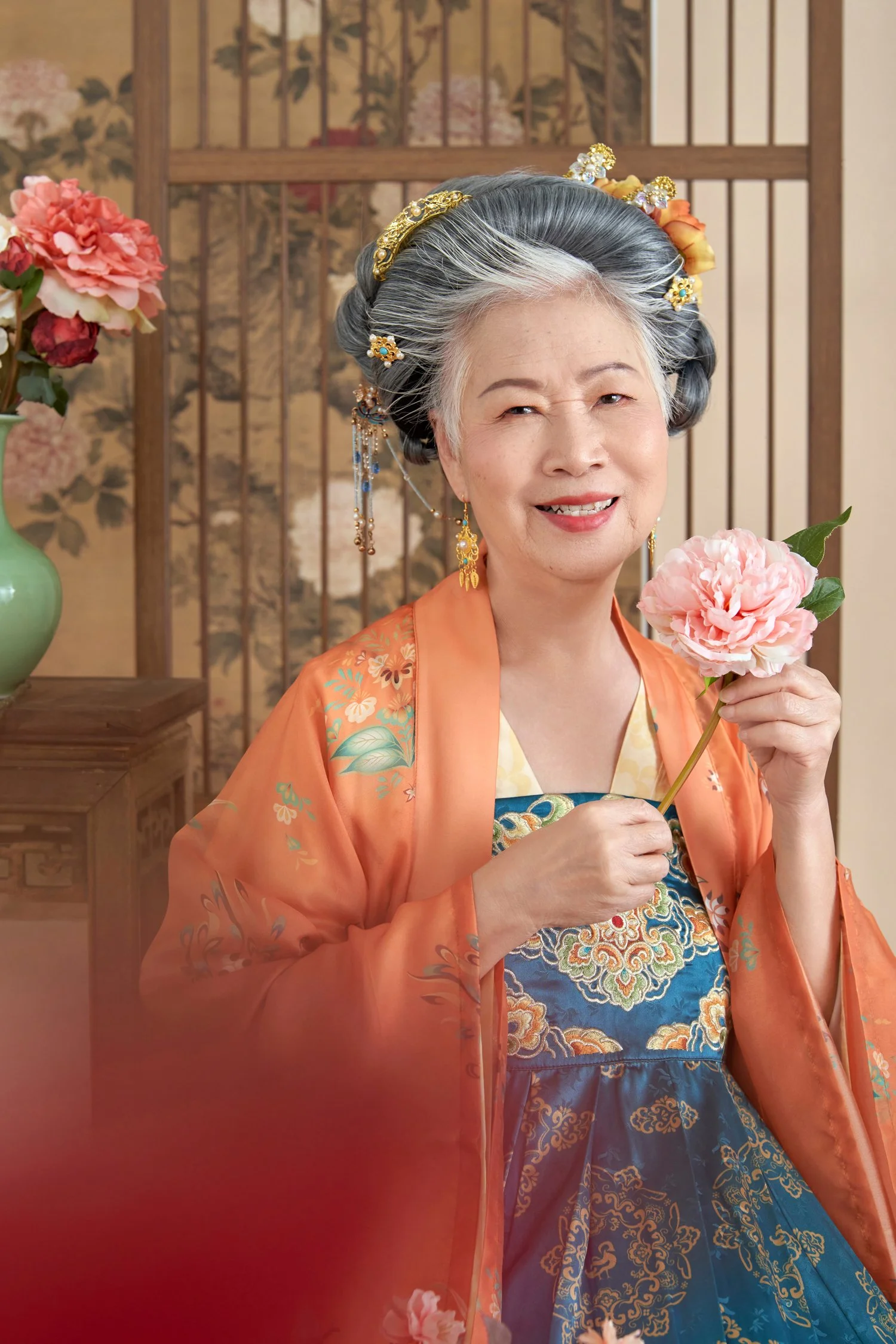
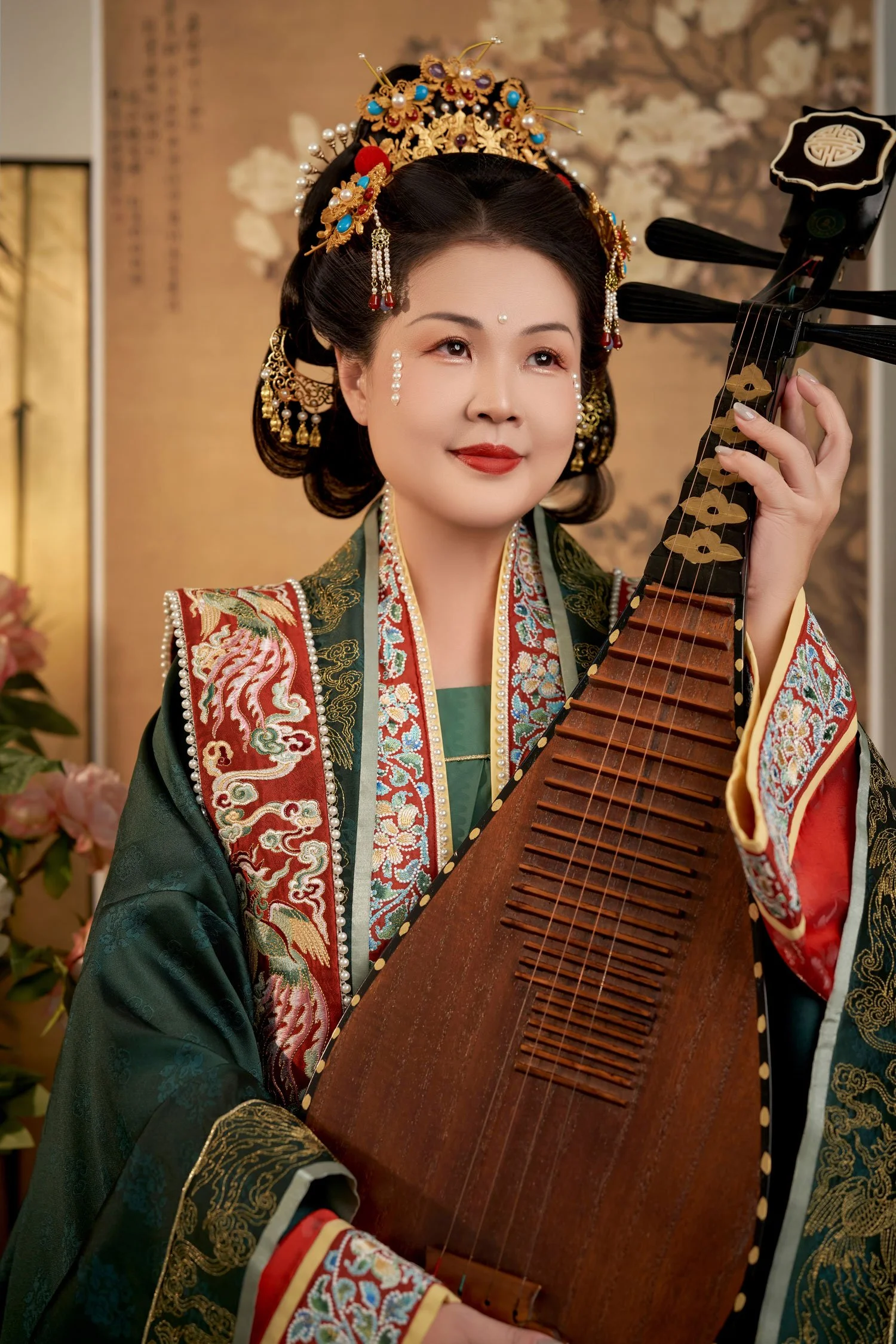
Hanfu often looks most stunning when it leans into elegance, depth, and quiet sophistication. Rather than focusing on trends or “youthful” styling, the most flattering approach is usually one that emphasises structure, richness, and refined detail.
Structured silhouettes with layered fabrics can help create a sense of definition and presence, resulting in a graceful and refined overall shape. Rich, deeper tones such as navy, burgundy, forest green, and earthy golds often complement this aesthetic particularly well.
Heavier, more substantial fabrics tend to photograph better as well, as they hold shape and create a stronger sense of presence compared to overly sheer or lightweight materials.
Recommended styles:
Ming or Song Dynasty styles with gold weave or delicate embroidery can also create a beautifully luxurious and timeless impression.
Traditional Tang Dynasty styles with thoughtful layering are another excellent choice, offering both softness and structure in a way that feels balanced and elegant.
Ultimately, whether the goal is to recreate a classic drama-inspired aesthetic or simply to enjoy dressing up in something beautiful and expressive, the most important choice is the one that feels joyful and true to your personality or desired aesthetic.
The Most Important Rule: Wear the Hanfu You Love
While certain styles may complement particular body shapes, there is no "correct" body type for hanfu.
Traditional Chinese clothing was designed around drape, movement, and proportion rather than tightly fitted silhouettes. Because of this, hanfu is often far more inclusive than modern social media trends suggest. At the end of the day, the best hanfu is not the one that “fits rules,” but the one that makes you feel confident, comfortable, and beautiful in your own way. There’s always a style that can bring out a version of you that feels effortlessly elegant.
Ready to Find Your Perfect Hanfu Look?
If you’re still unsure which hanfu style would suit you best, that’s completely normal—and exactly what we help with.
At Dressed Up Dreams, every client experience is designed to be highly personalised. Outfit selection is never random or one-size-fits-all. Instead, we take into account a range of factors, including your face shape, body proportions, height, colouring, favourite colours, and personal style preferences. Everything is thoughtfully curated so you can simply enjoy the experience while we take care of the details.
If you’d like a guided, fully styled hanfu experience in Singapore, enquire with us to check availability or plan your hanfu photoshoot session!